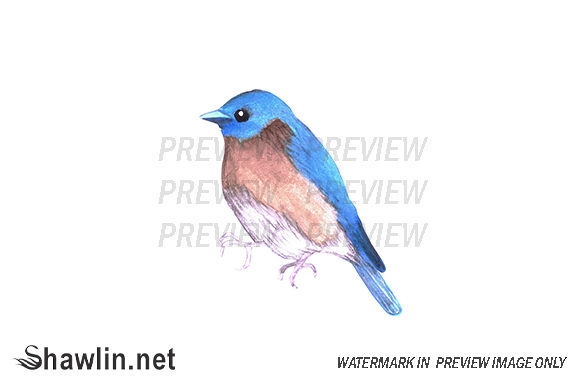
Bluebird Watercolor Bird
As an embroidery designer and product reviewer, I’ve evaluated countless machine embroidery designs, but few have captured the quiet charm and versatility of Bluebird Watercolor Bird. This illustration is more than just a pretty image—it’s a thoughtful design that can elevate a wide range of projects, from custom apparel to handmade gifts. Let me walk through how it performs in real-life embroidery scenarios and what you need to know before using it in your next project.
The First Impression: A Delicate Balance of Art and Function
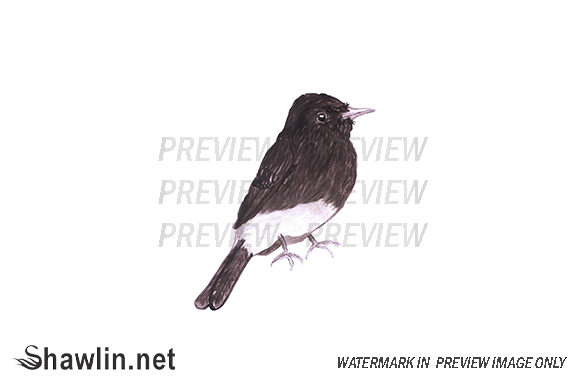
From the moment I saw Bluebird Watercolor Bird, I was struck by its soft, flowing lines and gentle color palette. The design feels like a breath of fresh air—calm, elegant, and perfect for those who appreciate subtle artistry. The bird is rendered in a watercolor style, which gives it a light, airy feel that doesn’t overwhelm the fabric it’s stitched onto. It’s not overly detailed, but the level of intricacy is just right for an embroidery file that needs to translate well into stitch form.
This design naturally fits into projects that call for a personal, handmade touch. Think of a custom embroidered tote bag for a nature lover, a baby onesie with a gentle motif, or a decorative pillow cover that adds a cozy vibe to any room. The layout is balanced, making it suitable for both centered and offset placements on a variety of items.
Real-World Embroidery Performance: Where It Shines
When I tested Bluebird Watercolor Bird on different fabrics, I was pleased with how it translated into stitch form. The design uses a mix of satin stitch and fill stitch, which works well for creating smooth, even areas of color. The stitch density is moderate, which means it won’t cause puckering on lighter fabrics, but it still holds up on thicker materials like cotton or canvas.
For custom apparel, this design pairs beautifully with sweatshirts, t-shirts, and tote bags. The watercolor effect gives it a unique look that stands out without being too bold. On baby clothes, it adds a delicate touch that’s safe for little ones’ sensitive skin. As an embroidered patch, it looks great on jackets, backpacks, and caps, where its soft lines can be easily seen against the background.
I also tried it on a holiday-themed gift—a personalized kitchen towel. The design looked warm and inviting, and the colors didn’t fade or bleed during washing. For small shop products, this could be a strong selling point, especially if paired with a printable mockup that shows how it would look on different items.
Where to Use It Carefully: Practical Considerations
While Bluebird Watercolor Bird is a versatile design, there are some situations where it may not perform as well. On small hoop sizes, the details might get lost, so it’s best to use it on larger hoops or scale it down if needed. Thin or stretchy fabrics can also be a challenge, as the design may not hold up well under stress or repeated wear.
Dark fabrics may require adjusting thread colors to ensure visibility. If you’re using it on a layered garment or curved surface like a cap, you’ll need to make sure the design is properly aligned and stabilized. Tiny lettering or dense stitch areas could be problematic if not handled carefully, so always test on scrap fabric first.
For commercial embroidery projects, it’s important to check the licensing terms before selling finished items or digital products. Make sure the design is compatible with your embroidery machine and that you understand any restrictions on resale or modification.
Impact on Visual Appeal and Customer Perception
Bluebird Watercolor Bird has a subtle but powerful effect on visual appeal. Its soft, artistic style makes it ideal for handmade products that aim to convey warmth and creativity. When used on a personalized gift, it adds a sense of thoughtfulness that customers will appreciate. For Etsy sellers or small shop owners, this design can help differentiate your offerings from mass-produced alternatives.
It also plays a role in customer trust. A well-executed embroidery project with a clean, professional look can increase buyer confidence and lead to repeat business. The design’s simplicity allows it to fit into a variety of brand aesthetics, making it a valuable addition to your design assets.
Embroidery Designer Notes: Tips for Success
Before using Bluebird Watercolor Bird in your next project, here are a few practical tips to keep in mind:
- Test on scrap fabric to see how the design looks in real life and adjust settings if needed.
- Check thread color contrast against the fabric to ensure the design stands out.
- Review stitch density to avoid issues with puckering or distortion.
- Confirm hoop size to ensure the design fits comfortably and stitches evenly.
- Inspect small details to make sure they translate well into stitch form.
- Test in black and white mockups to see how the design looks without color.
- Compare light and dark fabric backgrounds to determine the best application.
- Use proper stabilizer to prevent shifting or stretching during stitching.
- Verify licensing before using the design for commercial or resale purposes.
By following these steps, you can ensure that Bluebird Watercolor Bird looks its best on any project, whether it’s a custom apparel piece, a baby item, or a holiday gift.
Final Thoughts: A Design That Feels Thoughtful and Useful
Bluebird Watercolor Bird isn’t just a pretty design—it’s a practical choice for anyone looking to add a touch of elegance to their embroidery work. Its gentle style, balanced composition, and adaptability make it a solid option for a wide range of applications. Whether you’re an Etsy seller, a craft business owner, or a hobbyist, this design has the potential to enhance your products and delight your customers.
With careful consideration and proper execution, Bluebird Watercolor Bird can become a staple in your collection of machine embroidery designs. Just remember to test it thoroughly, respect its limitations, and use it in ways that highlight its strengths. In the right context, it’s more than just a design—it’s a statement of care and craftsmanship.