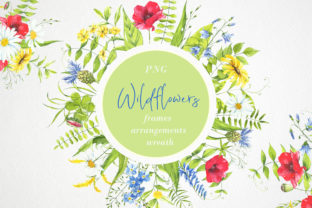
Watercolor Flower Clipart. Wildflowers
As an embroidery designer and product reviewer, I’ve seen my fair share of digital designs. But when I came across Watercolor Flower Clipart. Wildflowers, it immediately caught my attention. The soft, painterly style and natural composition made me curious about how it would translate to real embroidery projects. I wanted to know if it could hold up in practical use, especially for custom apparel, handmade products, and commercial applications.
The First Impression: A Delicate, Nature-Inspired Design
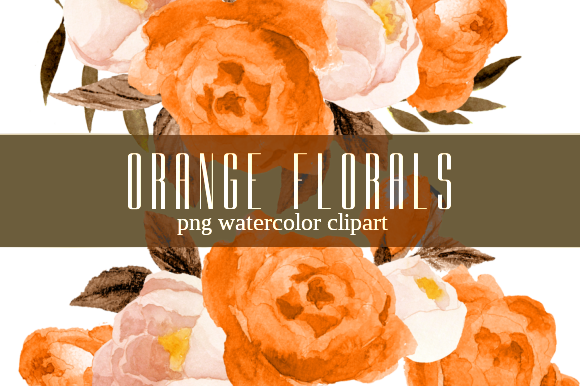
Watercolor Flower Clipart. Wildflowers has a gentle, whimsical vibe. The design features a collection of loosely arranged wildflowers, with soft edges and subtle shading that mimic the look of watercolor paintings. It’s not overly detailed, but the balance between simplicity and visual interest makes it versatile. The layout feels organic, which makes it ideal for projects that aim to evoke a relaxed, natural aesthetic.
This design seems to belong in projects that celebrate nature—think embroidered tote bags, baby clothes, or holiday gifts. Its softness also makes it a good fit for personalized items like pillow covers, aprons, and tea towels. But there are some things to consider before jumping into stitching.
Real-World Embroidery Performance
I tested Watercolor Flower Clipart. Wildflowers on a few different fabrics to see how it performed. On cotton and canvas, it looked great—especially with a mix of satin stitch and fill stitch. The colors were vibrant, and the overall look was clean and professional. However, on thinner or stretchy fabrics, the design didn’t always hold up as well. The delicate lines tended to blur, and the stitch density felt a bit light for some areas.
For custom apparel like t-shirts or sweatshirts, this design works well if you’re using a medium-weight fabric. But if you’re planning to embroider on something like a cap or a baby onesie, you’ll need to be careful. The small details might not show up clearly on curved surfaces, and the design could lose its charm if the fabric stretches too much during stitching.
Where to Use It Carefully
There are certain situations where Watercolor Flower Clipart. Wildflowers might not be the best choice. For example:
- Small hoop sizes: The design is fairly large, so it might not fit well in smaller hoops without cropping or resizing.
- Textured fabrics: If the fabric has a lot of texture, the design may not lay flat or appear as intended.
- Thin or stretchy fabric: These can cause the stitches to pucker or the design to distort.
- Dark fabric: While the design works on light backgrounds, it might not stand out as much on darker materials unless you adjust the thread colors.
- Dense stitch areas: The design isn’t overly complex, but some parts may require more stitching than others, which could affect the final look.
If you're using this as an applique design or a decorative accent, make sure the placement allows for enough space and visibility.
How It Affects Visual Appeal and Customer Perception
When it comes to customer trust and brand consistency, Watercolor Flower Clipart. Wildflowers has a lot to offer. Its soft, artistic style adds a unique touch to handmade products, making them feel more personal and special. This can be a big selling point for Etsy sellers or small shop owners looking to differentiate their offerings.
However, the design’s subtlety also means it needs to be used thoughtfully. If you’re creating a finished product like a custom embroidered patch or a tote bag design, you want to ensure that the design is clear and well-stitched. A poorly executed version of this design could lead to disappointment, especially if customers expect a more intricate or bold look.
Practical Designer Notes
Here are a few key tips I’d recommend when working with Watercolor Flower Clipart. Wildflowers:
- Test on scrap fabric first: This helps you see how the design looks in real life and identify any issues before committing to a full project.
- Check thread color contrast: Make sure the colors you choose will stand out against the fabric you’re using.
- Review stitch density: Adjust the density if needed to avoid puckering or uneven stitching.
- Confirm hoop size: Ensure the design fits your hoop without being cropped or distorted.
- Inspect small details: Some elements of the design may be too fine for certain fabrics or machine settings.
- Test in black and white mockups: This helps you see how the design looks without color, which is useful for printable mockups or digital product previews.
- Compare light and dark fabric backgrounds: This ensures the design is visible and appealing in all contexts.
- Use proper stabilizer: Especially important for thin or stretchy fabrics to prevent distortion.
- Check licensing: Confirm whether the design is suitable for both personal and commercial use before selling finished items or digital products.
These steps help ensure that your final product meets your expectations and those of your customers.
Best Fits for Watercolor Flower Clipart. Wildflowers
Overall, Watercolor Flower Clipart. Wildflowers is a great choice for projects that emphasize a natural, handcrafted feel. It works well for:
- Embroidered tote bags
- Sweatshirt embroidery
- Baby embroidery
- Holiday embroidery
- Commercial embroidery
- Digital embroidery file assets
- Craft business items
- Etsy listings
- Craft fair products
- Boutique branding
It’s also a solid option for printable mockups and digital product previews, as long as the design is scaled appropriately.