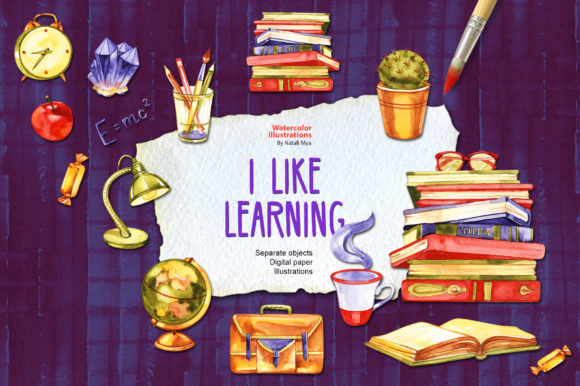
Watercolor Back to School Cliparts and Illustrations
As a designer who regularly works on branding, packaging, and marketing visuals, I always look for high-quality design assets that can elevate a project without requiring hours of custom illustration. Watercolor Back to School Cliparts offers a fresh, handcrafted feel that can add warmth and personality to a wide range of creative projects. This review dives into how this asset performs in real-world scenarios and whether it’s a smart choice for client work.
First Impressions: A Warm, Handmade Vibe
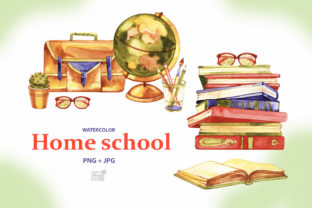
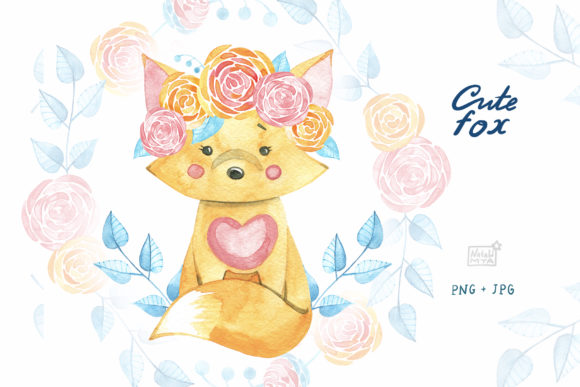
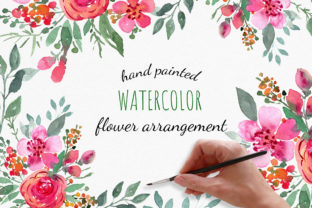
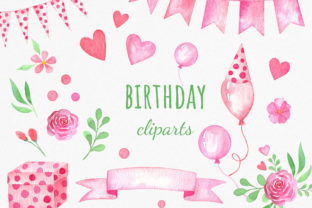
The first thing that stands out about Watercolor Back to School Cliparts is its soft, watercolor aesthetic. The illustrations have a gentle, organic texture that feels like it was painted by hand, which gives them a unique charm. This style is perfect for projects aiming for a cozy, nostalgic, or artisanal mood. Whether it's for a handmade brand, a seasonal campaign, or a boutique product line, these illustrations bring a sense of authenticity that digital graphics often lack.
The color palette is muted and earthy, with subtle gradients and brushstrokes that add depth. These elements make the cliparts ideal for designs that want to avoid being too sharp or clinical. They work well in contexts where a more relaxed, approachable visual language is needed.
Real-World Design Applications
Watercolor Back to School Cliparts shines in several areas of design. For logo design, they can serve as a complementary element that adds character without overwhelming the main icon. In brand identity, they can be used to create a cohesive visual system that blends modern and traditional elements. Product labels and packaging design benefit from their warm tones, making them a great fit for small business branding or Etsy products.
These illustrations are also highly versatile for social media graphics, blog visuals, and editorial design. Their soft edges and organic shapes make them perfect for Canva templates, Pinterest pins, and Instagram posts that aim to feel personal and engaging. For t-shirt design, mug art, or tote bag prints, the cliparts add a unique touch that can set a product apart in a crowded market.
In commercial design, especially for print-on-demand or sublimation projects, these illustrations offer a level of detail that translates well to physical products. They can be used in sticker design, printable wall art, or even as part of a product mockup that showcases a brand’s aesthetic.
Best Use Cases: Where It Shines
Watercolor Back to School Cliparts excels in large layout areas, such as hero graphics or background elements in web design. They can also be used as decorative accents in themed collections or campaign visuals. For packaging details, they add a layer of visual interest that complements minimalist or rustic branding styles.
These illustrations are also excellent for printable designs, especially when paired with handwritten fonts or script styles. They can enhance the look of Canva templates, Cricut projects, or digital sellers’ product listings. In editorial design, they provide a soft contrast to text-heavy layouts, helping to break up content and draw attention to key messages.
Caution Areas: When to Avoid
While these illustrations are beautiful, they may not be the best fit for every project. In small sizes, the intricate details can become lost, making them less effective for icons or buttons. Crowded layouts may suffer from visual clutter if the cliparts are overused without proper spacing or hierarchy.
On complex backgrounds or low-contrast designs, the watercolor textures might not stand out as intended. For minimalist branding or professional corporate materials, the organic feel could clash with the clean, structured aesthetics that those projects often require. It’s important to test the cliparts in different contexts before finalizing a design.
Impact on Visual Hierarchy and Branding
When used thoughtfully, Watercolor Back to School Cliparts can enhance readability and visual hierarchy. By placing them strategically, designers can guide the viewer’s eye through a composition while maintaining a cohesive brand identity. The softness of the illustrations also contributes to emotional appeal, creating a sense of warmth and trust that resonates with audiences.
For small business branding or handmade businesses, these illustrations can help establish a recognizable visual language that sets a brand apart. However, consistency is key—using them across multiple touchpoints ensures that the brand remains cohesive and professional.
Practical Designer Notes
Before using Watercolor Back to School Cliparts for a client project, I recommend testing it in black and white to see how it holds up without color. Check contrast on both light and dark backgrounds to ensure visibility. Preview the cliparts at various sizes to confirm that they remain legible and impactful.
Place them on real mockups to see how they interact with other design elements. Test print quality if the project involves physical materials, and review file formats to ensure compatibility with your workflow. If transparency is involved, inspect PNG designs carefully. For SVG or vector files, verify editability to ensure flexibility in future updates.
Compare the cliparts with different font styles—serif, sans serif, script, or display—to find the best pairing. Finally, always confirm the commercial license to ensure that the asset can be used safely for client or business projects.
Conclusion: A Versatile Asset for the Right Projects
Watercolor Back to School Cliparts is a valuable graphic design asset for designers working on creative projects that benefit from a handmade, watercolor aesthetic. It fits naturally into small business branding, handmade brands, and seasonal campaigns, offering a unique visual language that can elevate a design’s overall appeal.
While it may not be suitable for every project, when used appropriately, it can add warmth, personality, and professionalism to a wide range of design applications. For designers looking to enhance their creative toolkit, this clipart collection is worth considering as part of a design bundle or digital product offering.