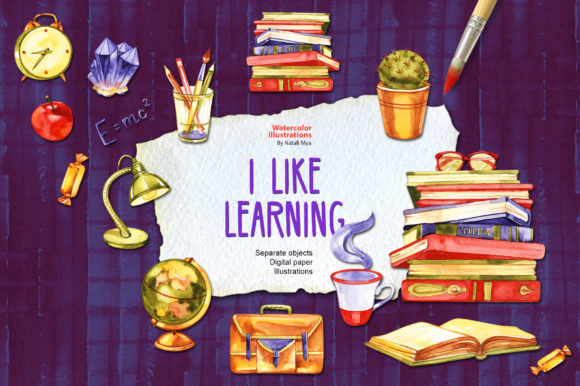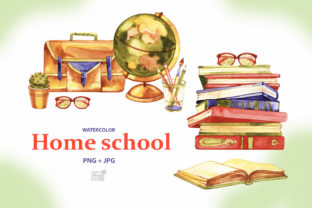
Watercolor Home School Cliparts and Illustrations
As a graphic designer with years of experience in branding, marketing visuals, and digital design assets, I’ve come across countless creative resources. Watercolor Home School Cliparts stand out for their soft, handcrafted aesthetic that can elevate a wide range of projects. This review dives into how this design asset performs in real-world scenarios and whether it’s a good fit for client work.
First Impressions: A Soft, Handmade Vibe
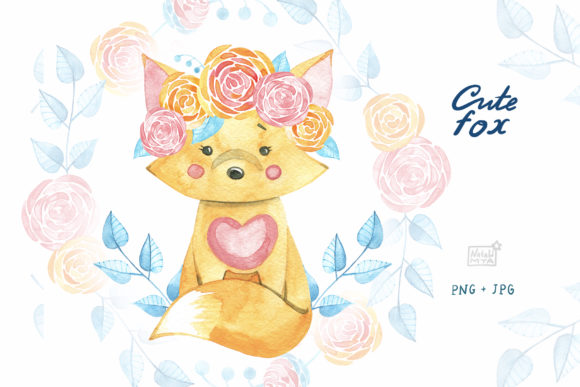
Watercolor Home School Cliparts immediately evoke a warm, nostalgic feel. The illustrations are delicate, with gentle brushstrokes and subtle textures that suggest a handmade origin. This style is ideal for brands that want to convey approachability, creativity, or a personal touch. It feels right at home in projects targeting educators, homeschoolers, or small businesses looking to add a cozy, artistic flair.
The visual mood is calming and inviting, making it a strong choice for print-on-demand products, Etsy shops, or seasonal campaigns. It doesn’t scream modern or corporate—it whispers, which can be a powerful tool depending on the brand’s identity.
Real-World Applications: From Branding to Social Media
When working on a client project, I often look for design assets that can adapt to different formats without losing their integrity. Watercolor Home School Cliparts perform well in several areas:
- Logo Design: While not the strongest for minimal logos, the watercolor style can be used as a background or accent element for more organic, creative brands.
- Brand Identity: These illustrations can serve as a signature visual element in a brand’s toolkit, especially for handmade or educational businesses.
- Packaging Design: The soft, painterly look works well on product boxes, labels, and tags, adding a unique, artisanal feel.
- Social Media Graphics: Watercolor elements make great background overlays for Instagram posts, Pinterest pins, or Facebook banners, offering a visually rich yet cohesive look.
- Canva Templates: These cliparts can enhance templates for invitations, greeting cards, or printable planners, adding a personal touch without overwhelming the design.
They also shine in printable designs, such as wall art, stickers, or downloadable worksheets, where the softness of the illustrations can create a comforting, artistic atmosphere.
Where It Excels: Large Layouts and Themed Projects
Watercolor Home School Cliparts thrive in large layout areas, hero graphics, and themed collections. They’re perfect for creating a visual story around a campaign, such as a back-to-school promotion or a holiday-themed product line.
These illustrations work best when used as decorative accents, supporting brand elements, or part of a design bundle that includes other complementary assets. They can be layered over solid backgrounds or paired with simple text to maintain balance and readability.
In product mockups, they add a tactile, artistic quality that can differentiate a design from more generic options. For sublimation design or t-shirt design, the soft lines and colors offer a unique alternative to bold, high-contrast graphics.
Where to Use with Caution: Minimalist and Corporate Projects
While beautiful, Watercolor Home School Cliparts may not be the best fit for every project. In minimalist branding or professional corporate materials, the soft, unstructured nature of the illustrations can clash with clean, modern design principles.
They also struggle in crowded layouts or low-contrast environments. When placed on complex backgrounds or in small sizes, the details can become lost, reducing their effectiveness. For visual hierarchy, these illustrations should be used intentionally, not as a default go-to.
For commercial design or digital products targeting a more formal audience, consider pairing them with stronger typography or simpler shapes to maintain clarity and professionalism.
Design Notes: What Every Designer Should Check
Before using Watercolor Home School Cliparts for a client project, there are several practical steps to take:
- Test in Black and White: See how the illustrations hold up without color. This helps assess contrast and legibility.
- Check Contrast: Ensure the design works on both light and dark backgrounds, especially if it will be used in web design or social media graphics.
- Preview at Different Sizes: Confirm that the details remain visible when scaled down for business cards, stickers, or mobile screens.
- Place on Real Mockups: Use the illustrations in actual design contexts to see how they integrate with other elements.
- Review File Formats: Make sure you have access to PNG design or SVG design files, depending on your needs.
- Inspect Transparency: If included, check that PNGs have proper transparency for use in layered designs.
- Compare with Fonts: Test the illustrations against various font styles—serif, sans serif, script, or display—to find the best visual harmony.
- Confirm Commercial License: Always verify that the asset allows for commercial use, especially if it’s being used for an Etsy product or print-on-demand item.
Final Thoughts: A Versatile Asset for the Right Project
Watercolor Home School Cliparts are not a one-size-fits-all solution, but for the right client and project, they can add a unique, artistic dimension. Whether it’s for a handmade business, small business branding, or a creative marketplace product, these illustrations offer a soft, expressive alternative to more rigid design elements.
As a designer, I recommend using them thoughtfully. Pair them with strong typography, test them in real-world applications, and always confirm licensing before moving forward. When used correctly, Watercolor Home School Cliparts can bring warmth, personality, and a sense of craft to any design project.